Top Reasons to Support Your Neighborhood Pie Shop
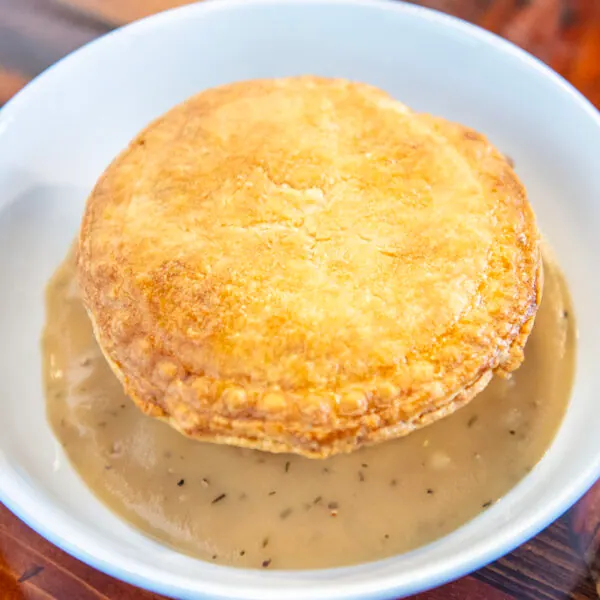
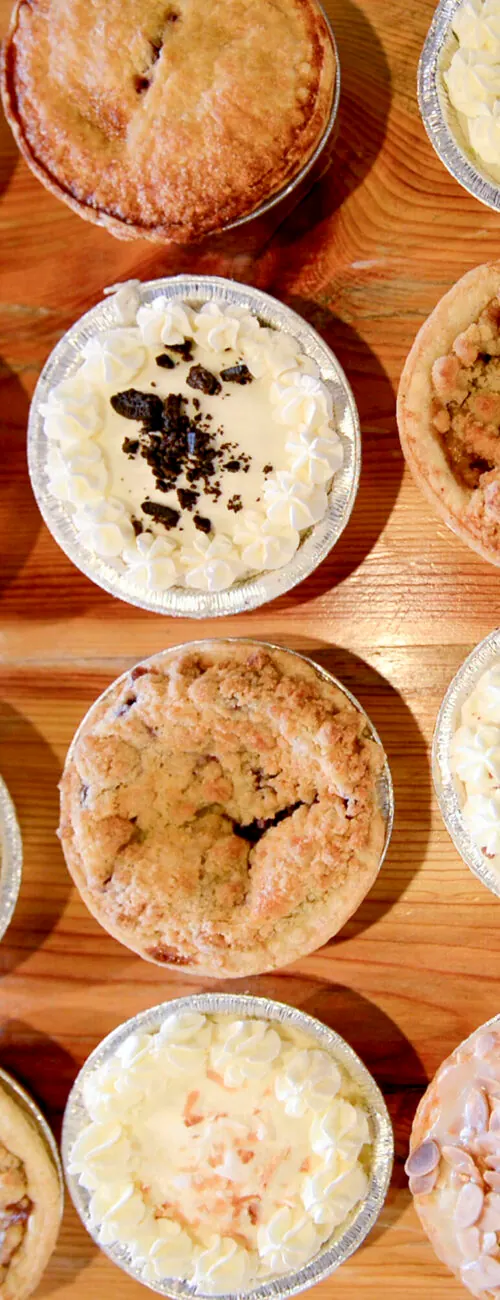
A good neighborhood pie shop does more than sell dessert. It anchors a block, gives people a reason to linger, and keeps a kind of food craft alive that is easy to lose and hard to rebuild once it disappears. That might sound romantic, but it is also practical. Independent food businesses shape how a place feels, where money circulates, and what kind of work remains viable in a community.
Pie, in particular, carries unusual weight for such a humble product. It is celebratory without being showy. It belongs at birthdays, funerals, Sunday dinners, school fundraisers, and ordinary Tuesday nights when someone decides the day deserves a little help. A neighborhood pie shop sits right at that intersection of routine and ritual. It can be a convenience, a comfort, and a small local institution all at once.
People often talk about supporting local businesses in broad moral terms. The case for a pie shop is more specific. When you buy from a place that bakes on-site, knows its regulars, and plans its week around fresh fruit, holidays, weather, and foot traffic, you are supporting a chain of decisions that large-scale retail does not make. Those decisions matter. They shape taste, labor, quality, and the life of the street outside the front door.
The money stays closer to home
One of the clearest reasons to support a neighborhood pie shop is economic, and not in an abstract sense. Independent food businesses tend to spend locally in visible ways. They hire nearby staff, call local repair technicians when the oven acts up, buy printing from the neighborhood shop down the road, and often source at least some ingredients from nearby farms, dairies, mills, or produce markets when it makes sense.
Even when a small pie shop cannot source everything locally, which is often the case, the pattern still matters. A national chain usually centralizes purchasing and profits. A local shop makes far more day-to-day decisions in town. That creates a tighter economic loop. The dollars you spend are more likely to cover a baker’s wages, a landlord’s maintenance budget, the electrician’s invoice, or the owner’s next bulk flour order from a regional distributor.
https://pastelink.net/n4mgpzngThis does not mean every local pie shop is automatically efficient or virtuous. Some are poorly run. Some have pricing that drifts past what the neighborhood can reasonably bear. Supporting local is not a commandment to ignore value. But when a shop is competent and consistent, your purchase has wider effects than the price on the receipt suggests.
I have seen this play out most clearly in mixed-use neighborhoods where one strong food business helps steady the whole stretch. A pie shop with a reliable morning and afternoon trade brings foot traffic that spills toward the bookstore, florist, or hardware store nearby. People who come in for a slice often leave with three other errands done. A shuttered storefront does the opposite. It dampens movement. It sends a message that the block is becoming provisional.
Pie demands craftsmanship, and craftsmanship needs customers
Pie is deceptively hard to make well at scale. Plenty of people can make one excellent pie at home when they have half a day and a generous kitchen. Producing dozens of good pies every day, with crusts that stay tender and fillings that set properly, is another matter. The margin for error is narrow. Butter warms too quickly. Fruit releases uneven moisture. Custards can split. Meringue can weep. A crust can go from pale to burnt in minutes.
That is exactly why a neighborhood pie shop deserves support when it does the work properly. You are not just buying sugar and flour. You are paying for skill, repetition, timing, judgment, and the discipline to hit the same standard on a damp Wednesday in February that the shop hit on the Saturday before Thanksgiving.
A seasoned pie baker knows things that do not show up on a recipe card. They know when peaches need more thickener and when they need less because this week’s fruit is firmer than last week’s. They know the difference between a crust that looks done and a crust that is actually baked through. They know how long a cream pie can sit in the case before quality starts to slide, and they know that saying no to one extra display hour can preserve the shop’s reputation.
When customers choose a neighborhood pie shop over a mass-produced alternative, they make that level of craftsmanship economically possible. Without regular demand, skilled bakers move on. Recipes get simplified. Shortcuts creep in. Eventually the product becomes interchangeable with supermarket dessert, which defeats the point of having a specialist in the first place.
Quality tends to be more visible, and accountability is immediate
One underappreciated advantage of a neighborhood pie shop is that quality is hard to hide. In a small operation, customers can often see the display case, smell what is coming out of the oven, and talk directly to the people who made the product. If the apple filling is watery or the crust is tough, someone will mention it. If the shop fixes the issue quickly, people notice that too.
That kind of accountability is different from the distant customer service model many larger companies rely on. At a local pie shop, feedback is immediate and personal. A regular customer may tell the owner, kindly but clearly, that the key lime pie was sweeter than usual. The owner may explain that a new supplier’s fruit puree ran tart, so the formula shifted, then adjust the next batch. That sounds small, but it is how quality cultures survive.
There is also an honesty to specialist shops that focus on a narrow product line. A place built around pie cannot hide behind a sprawling menu. If the crust is bad, the business has a problem. If the fillings are overly thickened to mask weak fruit, customers will figure it out. That pressure can be healthy. It rewards seriousness.
From a consumer’s standpoint, this is useful. You can learn a lot from three visits. Is the seasonal pie actually seasonal, or did the shop simply rename an inventory staple? Are the slices cut cleanly and held at the right temperature? Does the staff know what went into the almond crumb topping, or are they reading from a card? A capable pie shop does not need theater. The product carries the argument.
It preserves food traditions that are easy to flatten
Pie is one of those foods that gets reduced quickly when convenience takes over. Crust becomes a vessel rather than a distinct craft. Fillings become standardized. Regional character disappears. The result is often pleasant enough, but less interesting.
A neighborhood pie shop can preserve local preferences and family traditions that do not survive well in industrial baking. In some places, that means chess pie that actually tastes of browned sugar and butter instead of generic sweetness. In others, it means a savory hand pie tied to a local work culture, or a berry pie that appears for six weeks and then vanishes until next year because that is when the fruit is right.
Those distinctions matter because food memory is specific. People remember the tart cherry pie their grandmother served with sharp cheddar. They remember the peanut butter cream pie from the diner where their parents met. They remember the bakery that sold small meat pies before football games. A neighborhood pie shop can become the keeper of those memories, but only if enough people show up to sustain the work.
This is not nostalgia for its own sake. Food traditions help communities maintain continuity through change. Neighborhoods turn over. Rents rise. Buildings get renovated into cleaner, more expensive versions of themselves. A good pie shop can hold a line against total sameness. It says the area still has a palate, a season, and a history.
The best shops make hospitality feel local, not scripted
There is a difference between customer service and hospitality. Customer service solves a transaction. Hospitality creates ease, welcome, and recognition. A neighborhood pie shop often excels at the second because it has the scale to notice people.
The counter staff may remember who wants warmed pecan pie and who prefers it cold. They may know which customer buys a whole strawberry rhubarb pie every year for an anniversary, or which family needs a nut-free option for a school event. Those details cannot be automated well because they are built from repeated contact and genuine attention.
This kind of place also becomes social infrastructure in a modest but meaningful way. People meet there after church, after Little League, after a difficult doctor appointment, or before heading to a friend’s house for dinner. Not every community has a grand public square. Sometimes it has a pie shop with four small tables, strong coffee, and a familiar face behind the register.
That intimacy can have real value for older residents, remote workers, new parents, and anyone else whose daily life risks becoming isolated. A quick stop for a slice becomes a small civic ritual. It is not dramatic, but these modest third places help neighborhoods feel inhabited rather than merely occupied.
Seasonal buying teaches people to eat with the calendar
A serious pie shop teaches customers to notice time. Not by lecturing them, but by changing the case. Early summer might bring sour cherry, strawberry rhubarb, or peach. Fall turns toward apple, pear, pumpkin, and pecan. Winter leans on citrus, nuts, chocolate, and preserved fruit. Spring often feels lighter, sometimes custard-driven, sometimes berry-led, depending on the region.
Large retailers train shoppers to expect everything all the time. A neighborhood pie shop, especially one that pays attention to ingredient quality, often cannot and should not work that way. If blueberries are mediocre in January, the best shops do not pretend otherwise. They pivot. That restraint is a mark of professionalism.
Customers benefit from this more than they may realize. Seasonal baking usually tastes better because the ingredients are doing more of the work. It can also be cheaper for the shop when produce is abundant, which sometimes translates into better value. Most importantly, it reconnects eating with actual conditions rather than perpetual availability.
I have watched customers who initially wanted the same pie every month gradually become adventurous because a trusted pie shop made the seasonal option feel worth trying. Someone comes in for apple, hears that the sour cherry is back for a short run, takes a chance, and a new ritual begins. That is part of the pleasure of local food culture. It expands taste instead of flattening it.
Independent pie shops create real jobs, not just shifts
The labor side of food businesses is often discussed too vaguely. Not every small business is a model employer, and anyone who has worked in food service knows that sentimentality can cover a lot of dysfunction. Still, a well-run neighborhood pie shop can offer something increasingly rare: skilled work with visible results.
Baking jobs teach timing, inventory management, sanitation, consistency, production planning, and customer communication. Front-of-house roles can grow into ordering, merchandising, scheduling, and event coordination. For younger workers, a small shop can be one of the first places where they learn what professional standards feel like when the stakes are real but manageable.
The best owners understand that a pie shop is only as good as its staff. They train people carefully on dough handling, cooling times, portioning, and food safety. They know that turnover is expensive, not just morally frustrating. When customers support those shops steadily, they help create more stable employment rather than a constant scramble for survival.
There is also dignity in specialist food work. A great pie baker has a craft. A sharp counter manager can move a holiday preorder line with calm precision while still making customers feel seen. These are not trivial competencies. They deserve a market that recognizes them.
The holiday rush alone can make or break the year
Anyone who has spent time around a pie shop knows that the business has its own calendar of pressure points. Thanksgiving is obvious, but many shops also depend on Christmas, Easter, local festivals, graduation season, and wedding-related events. A few blockbuster weeks can account for a striking share of annual revenue.
That makes year-round support important. It is easy to remember a pie shop when a holiday table needs dessert. What sustains the business, though, is the ordinary traffic in the quieter months. Coffee and a single slice in February. A whole quiche or savory pie for a weeknight dinner in March. A summer stop after the farmers market. These smaller purchases smooth the peaks and valleys.
From the owner’s side, demand planning in a pie business is notoriously delicate. Overstocking perishables hurts margins. Underbaking during a holiday damages trust. Equipment failures happen at the worst moments. Staff availability shifts. Weather changes foot traffic. A loyal local customer base gives the shop room to absorb those shocks.
If you have ever picked up a Thanksgiving preorder from a competent pie shop, you have seen operational skill in action. Labels are right. Pickup windows are staggered. The cream pies are cold, the fruit pies are boxed correctly, and somehow the staff remains courteous while moving at impressive speed. That competence is earned over many ordinary days, not just one big week in November.
A neighborhood pie shop offers value that is not always captured by price alone
People are right to care about cost. Food prices matter, and dessert is discretionary for many households. A local pie may cost more than a supermarket alternative, sometimes significantly more. That difference should be acknowledged plainly.
The better question is what kind of value you are comparing. If your goal is the lowest possible price per slice, an independent pie shop will often lose. If your goal is flavor, freshness, a high-butter crust, a filling made with actual fruit rather than a heavily stabilized base, and a purchase that supports local labor, the equation changes.
There are also practical middle grounds that people overlook. Buying a single slice can be a manageable way to support a pie shop without committing to a whole dessert. Picking up a pie for a gathering can be more cost-effective than buying ingredients, spending several hours baking, and risking a mediocre outcome. For hosts, a well-made pie from a trusted shop often delivers more confidence than a rushed homemade attempt.
When budgets are tight, people do not need a lecture about civic duty. They need honest options. Many pie shops understand this. They offer smaller pies, day-old specials, hand pies, or rotating slices that let customers participate at different price points. Supporting a neighborhood pie shop does not have to mean extravagant spending. Consistency matters more than grandeur.
It gives a neighborhood its own taste
One of the most persuasive reasons to support a local pie shop is the least quantifiable. Places need distinct flavors. Not a branding exercise, not a slogan, but actual edible identity. A city with the same chain offerings on every corridor starts to feel interchangeable. A neighborhood with its own pie shop, one known for a particular crust, a seasonal peach pie, or a savory chicken pie that sells out by noon, has something harder to duplicate.
Visitors notice this immediately. So do residents, though sometimes only after it is gone. The details people recount when describing a beloved area are often small and specific: the corner bakery that sold tomato pie on Fridays, the pie shop with lace curtains and excellent black bottom pie, the owner who always had extra forks for families sharing one slice among three kids. These memories become part of a neighborhood’s informal archive.
That archive has economic value too. Distinct local businesses attract repeat visits and word-of-mouth in a way generic retail rarely does. But more than that, they make people proud of where they live. Pride is not superficial. It affects whether residents advocate for a corridor, whether they invite friends over, whether they choose to spend their weekend money nearby instead of elsewhere.
How support looks in practice
You do not need to become a patron saint of pastry to make a difference. Support is usually ordinary.
- Buy during slower periods, not just major holidays.
- Preorder when the shop requests it, especially for high-demand weeks.
- Tell people about the pies you genuinely love.
- Tip fairly if the shop’s service model calls for it.
- Give useful feedback with specificity and respect.
Those actions help more than people realize. They improve forecasting, reduce waste, build reputation, and strengthen the relationship between shop and customer. They also signal that the neighborhood notices quality and intends to keep it.
When support is deserved, and when it is not
Local loyalty should not require blind loyalty. A pie shop still needs to earn its place. If quality slips for months, if sanitation is questionable, if customer treatment is careless, or if the business simply coasts on sentiment while charging premium prices, customers are not obligated to subsidize mediocrity.
That standard cuts both ways. Strong neighborhood businesses deserve informed support, not automatic support. The best customers are not the least discerning. They are the ones who recognize real quality and sustain it. In my experience, the strongest independent food shops want that kind of customer. They would rather be judged seriously than praised vaguely.
When a pie shop gets it right, though, the case for supporting it is unusually strong. You are keeping a skilled craft alive, helping money circulate locally, preserving a food tradition, and sustaining a place that gives a neighborhood part of its texture. All that from something as familiar as flour, butter, fruit, and heat.
A good pie shop earns affection because it delivers pleasure. It earns loyalty because it becomes useful. Over time, those two qualities reinforce each other. What starts as a stop for dessert turns into a local habit, then a family custom, then a place people point to when asked what makes the neighborhood feel like itself. That is reason enough to keep the door opening and the ovens on.
3.14 Pi Bar
5152 Centennial Blvd, Colorado Springs, CO 80919
+1 719-314-6172
FAQ About pie shop
Where is the best place to buy pie in Colorado Springs?
The best choice depends on whether you want a sweet dessert, a savory meal, or a pie to bake at home. 3.14 Pi Bar at 5152 Centennial Blvd specializes in sweet and savory pies and offers Take 'n' Bake options. Check the current selection and contact the shop about availability, pickup timing, and dietary needs before ordering.
Who makes the best pot pies in Colorado Springs, CO?
Preferences vary by filling, crust, and portion size. 3.14 Pi Bar offers hearty savory pot pies alongside its sweet pies. Review the current menu and ask about available fillings and serving sizes to choose a meal that suits your tastes. Specific varieties may change.
Who has the best apple pie in Colorado Springs?
Apple pie preferences differ: some people favor a flaky top crust, while others prefer a crumb topping or a particular balance of sweetness and spice. 3.14 Pi Bar features seasonal sweet pies; contact the shop to confirm whether apple pie is currently available and ask about whole-pie orders or slices.