Top Comfort Food Classics at Southern Restaurant Pittsburgh, PA
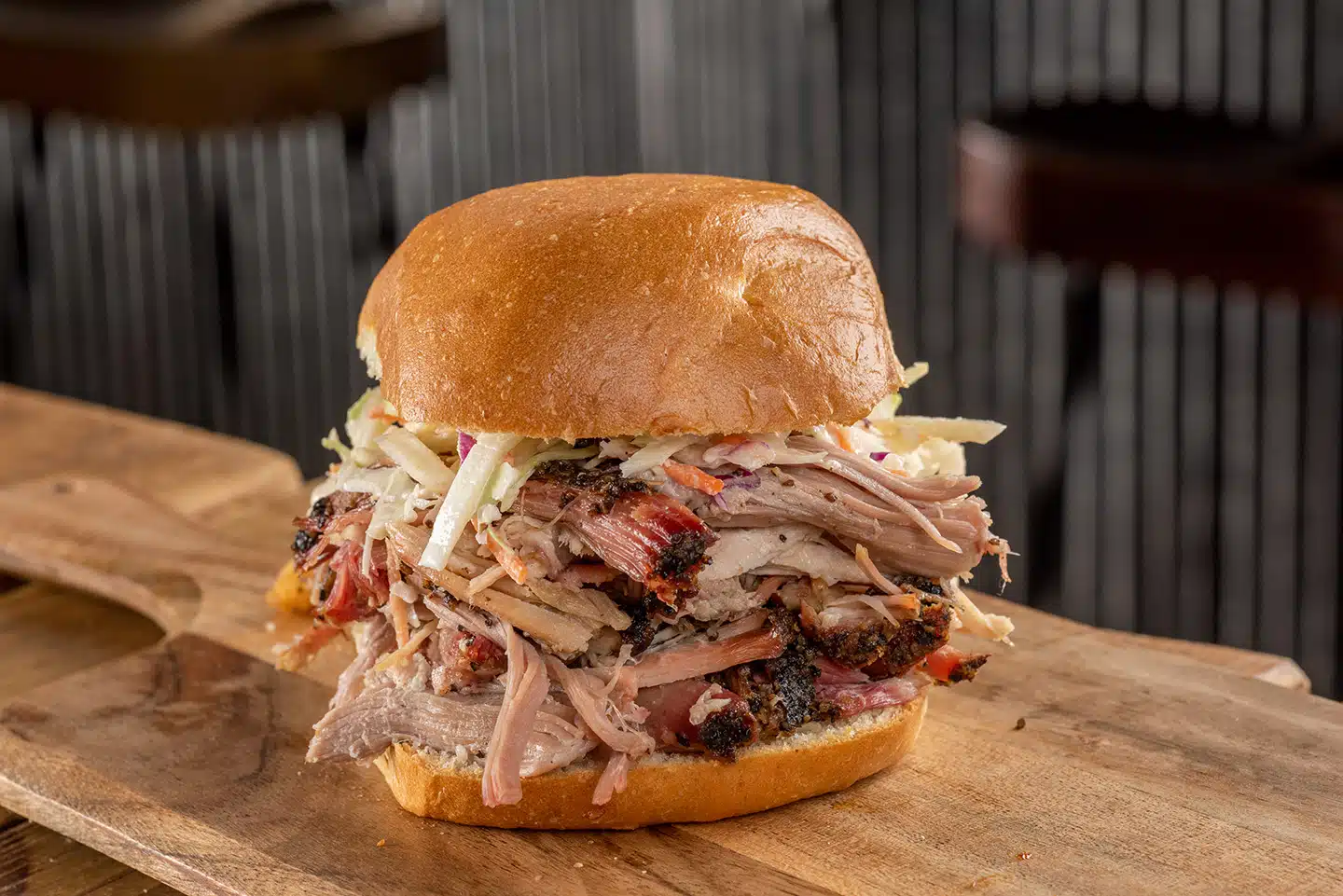
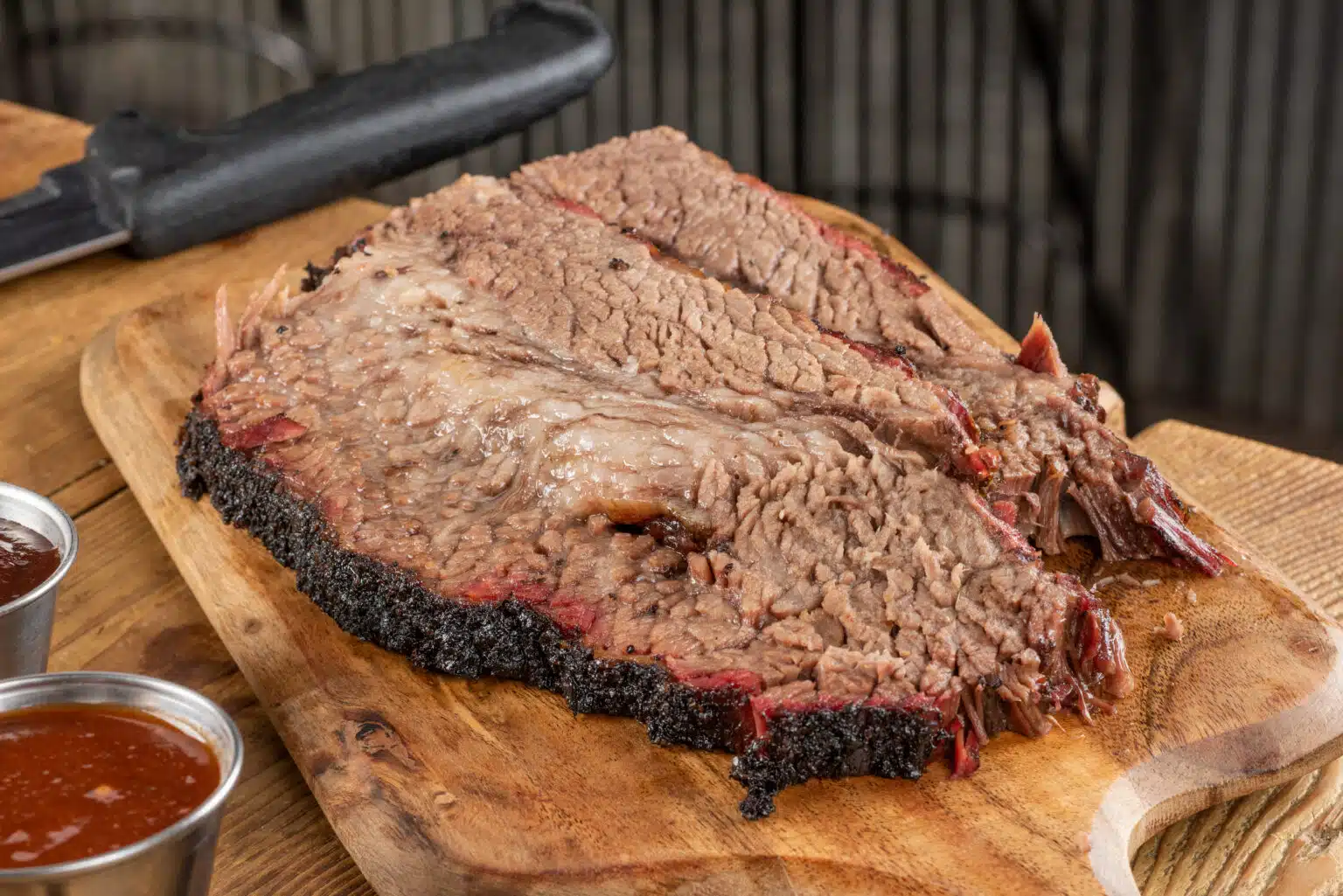
Pittsburgh knows how to appreciate food that sticks with you. It is a city built on long winters, hard work, neighborhood loyalty, and the kind of meals that do more than fill a plate. They settle a day. They bring people to the table. They remind you that cooking can be both generous and exacting. That is exactly why Southern comfort food has found such a receptive home here.
A good southern restaurant Pittsburgh, PA diners return to again and again usually has a few things in common. The room feels warm before the first bite ever reaches the table. The menu respects tradition without treating it like museum work. Most important, the food understands balance. Rich dishes need acid, sweetness needs restraint, and fried food needs seasoning all the way through, not just sprinkled on top after the fact. Comfort food may seem casual, but https://kameronwvab777.timeforchangecounselling.com/how-to-find-authentic-southern-restaurant-pittsburgh-pa-favorites getting it right takes discipline.
The classics endure because they ask for patience. Fried chicken is not just flour and hot oil. Shrimp and grits is not just seafood over starch. Mac and cheese can go flat in a hurry if the sauce breaks, the noodles overcook, or the seasoning gets timid. These dishes are familiar enough that everyone notices when a restaurant cuts corners. When they are done well, though, they feel almost restorative.
Why Southern comfort food works so well in Pittsburgh
There is a real affinity between Southern cooking and Pittsburgh dining culture. Neither values fuss for its own sake. Both have a deep respect for portions that feel honest, recipes with lineage, and restaurants that build a following through consistency rather than trends. People here tend to reward places that cook with conviction. A biscuit that arrives hot and layered, with butter melting into the seams, makes sense in this city in a way that is hard to fake.
Climate plays a role too. Southern food is often discussed in terms of warmth and hospitality, but its deeper strength is how it handles intensity. Braises, gravies, smoked meats, buttery starches, slow-cooked greens, and golden crusts all speak to appetite in a direct way. On a damp Pittsburgh evening, a plate of chicken fried steak with peppered gravy lands differently than it would on a humid beach town patio. It feels timely. It feels earned.
There is also something important about the social side of the cuisine. Southern menus invite sharing, comparison, and debate. One person orders collard greens, another gets candied yams, and before long everyone is trading bites and defending favorites. That table energy matters. Restaurants remembered for years are often the ones where the meal turned into a conversation.
Fried chicken, the benchmark dish
If you want to understand any Southern kitchen, start with the fried chicken. Nothing exposes standards faster. The crust has to be crisp enough to hold its texture for more than a minute or two, but not so thick that it shatters away from the meat. The seasoning has to reach the chicken itself, not just the breading. The interior should stay juicy, especially in the breast, which is where lesser versions usually fail.
At a strong southern restaurant Pittsburgh, PA guests can often tell from the first piece whether the kitchen respects this dish. Good fried chicken carries the smell of spice and hot fat in the best possible way, but it never tastes greasy. The crust should look craggy and intentional, not smooth and pale. The color matters. Deep golden brown usually signals that the oil was at the proper temperature and the coating had enough time to set without scorching.
What separates memorable fried chicken from acceptable fried chicken is attention before frying. Brining helps, whether wet or dry. Buttermilk marinades soften and flavor the meat, though they need enough salt and spice to matter. Flour blends benefit from more than black pepper. Paprika, garlic powder, cayenne, and a little onion powder are common, but proportion is everything. Too much cayenne and the heat bulldozes the chicken. Too little salt and the whole thing tastes unfinished.
The side pairing says a lot too. Fried chicken with waffles draws attention, and for good reason, but classic accompaniments like mashed potatoes, slaw, or mac and cheese often reveal more about the kitchen. If the chicken is excellent and the sides are forgettable, the meal never quite comes together.
Shrimp and grits, when simple ingredients demand precision
Shrimp and grits looks humble on paper. In practice, it is one of the easiest Southern staples to get wrong. The grits need body, but not gluey heaviness. The shrimp need to be cooked right to the line, not one second beyond. The sauce, whether it leans smoky, spicy, buttery, or tomato-based, has to unify the dish rather than drown it.
The best versions begin with the grits themselves. Stone-ground grits have a texture and flavor that instant products cannot imitate, but they also require more care and more time. A proper pot needs steady heat, regular stirring, and enough liquid to let the grains swell gradually. Cheese can enrich the base, but too much can swamp the corn flavor. There is a sweet spot where the grits still taste like corn first and dairy second.
Shrimp demands similar restraint. I have seen too many plates where beautifully cooked grits were topped with rubbery shrimp that had gone from tender to tight in less than two minutes. That margin is small. Kitchens that nail this dish usually cook shrimp quickly and build flavor elsewhere, often with rendered sausage, stock, scallions, garlic, lemon, or a touch of hot sauce. The result should feel layered, not busy.
In Pittsburgh, where diners tend to appreciate heartier presentations, shrimp and grits often arrives with enough richness to satisfy on a cold day. That can work well if the kitchen remembers brightness. A squeeze of acid, a handful of herbs, or a sharp bit of pepper can keep the dish from becoming too dense halfway through the bowl.
Biscuits that deserve their own reputation
A lot of restaurants treat biscuits as a supporting player. That is a mistake. Great biscuits shape the entire meal because they announce whether the kitchen values craft. A biscuit should be tender without crumbling into dust. It should split open with visible layers. The exterior needs a little color and structure, while the inside stays soft and steamy.
The method matters more than people think. Cold fat, gentle handling, and a light touch with flour are not optional details. Overwork the dough and the biscuit turns tough. Underseason it and butter can only do so much. Bake it too long and that beautiful interior dries out. The difference between good and exceptional often comes down to restraint.
Served with honey butter, sorghum, jam, sausage gravy, or simply plain butter, biscuits have a way of setting expectations for the rest of the table. In a true comfort food meal, they function as both starter and side, and no one complains about that double duty. There is a reason diners remember the bread basket. It often tells the truth before the entrées arrive.
Mac and cheese, more technical than it looks
Mac and cheese gets underestimated because it is familiar. But it is a dish built on emulsion, seasoning, texture, and timing. The pasta has to hold up under sauce. The cheese needs to melt smoothly. The top, if baked, should gain color without turning leathery. None of that happens by accident.
The best restaurant mac and cheese usually balances at least two cheeses rather than relying on one. Sharp cheddar provides character, but it can become oily or aggressive if used alone. A milder melting cheese rounds things out. Some kitchens fold in cream, some use evaporated milk, some build a classic béchamel first. Each route can work. The real question is whether the final dish tastes clean and complete.
There is also the issue of texture. Some diners want spoonable and silky. Others want a casserole-style cut with browned edges and a firmer body. Both are valid, but either style fails if the noodles turn mushy. In a southern restaurant Pittsburgh, PA patrons often bring strong opinions about mac and cheese because the dish crosses regional lines. It is part holiday table, part weeknight staple, part restaurant indulgence. Expectations are high.
The strongest versions have a little personality. Maybe it is a smoked cheese note, a toasted breadcrumb crust, or a whisper of mustard powder that sharpens the richness. Those subtle choices separate a pan that disappears from a pan that merely gets eaten.
Collard greens and the art of slow flavor
Collard greens rarely dominate the menu description, yet they often reveal whether a kitchen truly understands Southern cooking. They ask for time, seasoning, and judgment. Cook them too little and they stay coarse and resistant. Cook them too much and they surrender into monotony. The liquid matters as much as the leaves. A well-made pot likker carries smoke, salt, vegetal sweetness, and depth from aromatics or meat.
Traditional versions often rely on ham hocks, bacon, smoked turkey, or another cured element to build foundation. Vegetarian versions can be just as satisfying, but they need an intentional strategy, often using onion, garlic, stock, vinegar, chile, and a careful hand with salt. The goal is never just softness. It is concentration.
A good bowl of collards offsets richer mains beautifully. Next to fried chicken or catfish, they cut through heaviness while still feeling substantial. I have watched plenty of skeptical diners try collard greens out of obligation and then spend the rest of the meal reaching back for another forkful. That usually happens when the greens are cooked with enough acidity to wake up the palate and enough savory depth to feel complete on their own.
Catfish, cornmeal, and the fine line between delicate and dull
Catfish deserves more respect than it sometimes gets. Done well, it offers one of the most satisfying fried seafood experiences around. The fish has a gentle sweetness and soft flake that works especially well with a seasoned cornmeal crust. Done poorly, though, catfish can taste muddy, overbreaded, or dry.
The secret is often in what does not happen. The breading should not bury the fish. The seasoning should support, not dominate. The fry should be crisp, but the fillet still moist and tender. Many kitchens serve catfish with tartar sauce, remoulade, hot sauce, lemon, or all of the above, and each can work if used to sharpen the natural flavor rather than cover it.
Catfish also pairs especially well with sides that have contrast. Creamy grits, bright slaw, pickles, or stewed beans give the plate movement. Without that balance, a fried fish dish can turn monotonous fast. With it, catfish becomes one of the most compelling options on a comfort food menu.
Chicken and waffles, where sweetness can either sing or overwhelm
Chicken and waffles has become a calling-card dish for many Southern restaurants, but its popularity has also encouraged a lot of sloppy versions. The pairing only succeeds when both halves stand on their own. Weak fried chicken cannot hide behind syrup, and a lifeless waffle turns the plate into a gimmick.
A proper waffle should have crisp edges and enough interior tenderness to absorb butter and syrup without collapsing. It needs flavor as well as structure. Vanilla, malt, or a hint of spice can help. The chicken should remain savory, well-seasoned, and crunchy. Once syrup enters the equation, every underseasoned flaw gets magnified.
The tension between sweet and savory is what makes this dish compelling. Some kitchens push heat with cayenne honey or hot sauce maple syrup. Others keep it classic and let the contrast do the work. Either way, the best versions understand that the plate must stay coherent from first bite to last. Too much sweetness and the dish gets tiring halfway through. Too much salt and it loses the playful richness people came for.
Meatloaf, pot roast, and the quieter comfort classics
Not every Southern classic crackles or arrives under a glossy sauce. Some of the most satisfying dishes on these menus are the quieter ones, the kinds of entrées that depend on patient cooking rather than spectacle. Meatloaf and pot roast fall squarely into that category.
Restaurant meatloaf lives or dies on moisture and seasoning. Ground meat needs enough fat to stay tender, enough binder to hold shape, and enough aromatics to avoid blandness. A glaze can help, especially if it brings sweetness and acidity, but it cannot rescue a dry slice. The best meatloaf tastes deeply seasoned throughout, not just on the crust. It should feel substantial without turning dense.
Pot roast asks for a different kind of skill. The cut, the braising liquid, the vegetable timing, and the reduction all matter. If the meat falls apart into strings with no integrity, it has gone too far. If it fights the fork, it has not gone far enough. The ideal texture is tender but still coherent, with a sauce that tastes of stock, browned meat, and patient simmering. On a Pittsburgh winter night, it is hard to imagine a more fitting plate.
The side dishes are not side stories
Southern comfort food does not relegate sides to afterthoughts. In many meals, they are the reason regulars come back. A restaurant can build fierce loyalty on the strength of its greens, yams, black-eyed peas, cabbage, mashed potatoes, or cornbread. That is not romantic exaggeration. It is how people actually eat. They remember the details that made the meal feel whole.
Here are the side dishes that usually separate a solid meal from a memorable one:
- Mac and cheese brings richness and nostalgia, but only when the sauce stays silky and the seasoning is confident.
- Collard greens add bitterness, smoke, and acidity, which are essential counterpoints to fried or braised mains.
- Candied yams can be wonderful if they taste like sweet potatoes first, not just sugar and spice.
- Cornbread should strike a balance between crumbly and moist, with enough corn flavor to stand up to butter or gravy.
- Slaw offers crunch and brightness, especially important on plates loaded with fried foods.
That balance is worth emphasizing. A comfort food spread needs contrast more than it needs sheer heaviness. Rich entrées become more enjoyable when a side brings vinegar, freshness, or a little bitterness. It is the same reason pickles show up next to barbecue and why a squeeze of lemon can transform a seafood plate. A wise kitchen thinks about this with every order.
Dessert still matters, especially when the meal runs rich
After a serious Southern meal, dessert needs to be inviting rather than punishing. This is where smart restaurants show judgment. A perfect slice of pie can feel lighter than a dense chocolate cake, even if both are indulgent in their own way. Banana pudding, bread pudding, peach cobbler, chess pie, pecan pie, and red velvet cake all have their place, but not every ending suits every table.
Banana pudding works because it offers creaminess and sweetness without too much weight. Bread pudding can be extraordinary if the custard is set properly and the sauce is used with discipline. Cobbler succeeds when the fruit still tastes like fruit. Pecan pie needs balance more than anything else. Too much syrup and it turns cloying almost immediately.
In restaurants serving comfort food, I often find that the best desserts are the ones that understand when to stop. A warm cobbler with a modest scoop of ice cream can be more satisfying than a towering construction loaded with toppings. Southern desserts are most persuasive when they feel generous, not theatrical.
What to look for when choosing a Southern spot in Pittsburgh
Not every menu full of familiar names delivers the experience people hope for. If you are deciding where to eat, a few practical signs can help separate the truly good from the merely themed.
- Read the menu for specifics. If dishes mention preparation details, such as smoked turkey collards, stone-ground grits, or buttermilk-brined chicken, that usually suggests intention.
- Pay attention to the sides. Restaurants that take greens, cornbread, and mac and cheese seriously tend to care about the whole plate.
- Notice whether the menu shows restraint. Too many overloaded mashups can signal a kitchen leaning on novelty rather than fundamentals.
- Ask what regulars order. Staff often know exactly which staples have earned a reputation and which dishes best represent the kitchen.
- Go hungry, but order strategically. A balanced table with one fried item, one braised dish, and a few contrasting sides often gives the clearest picture.
There is also value in repeat visits. Some comfort food restaurants shine brightest at brunch, when biscuits, gravy, waffles, and grits take center stage. Others show their strength at dinner, with deeper braises, heavier entrées, and more expansive sides. A single meal may not reveal the full range of the kitchen.
The classics endure for a reason
Southern comfort food earns devotion because it respects appetite without insulting intelligence. These dishes are familiar, but they are not simple-minded. Each one depends on technique, judgment, and a sense of proportion that only experienced cooks tend to master. The best meals taste generous because the work behind them is so disciplined.
For diners searching for a standout southern restaurant Pittsburgh, PA offers an audience ready to appreciate that craft. This city responds to substance. It always has. When the fried chicken crackles, the biscuits steam, the greens carry real depth, and the mac and cheese tastes finished rather than rushed, people notice. More important, they return.
That return visit is the highest compliment comfort food can earn. Not because the meal was flashy, but because it felt right. It answered the weather, the mood, the company, and the appetite all at once. That is what the classics have always done, and why they still matter now.
Walter's BBQ Southern Kitchen
4501 Butler St
Pittsburgh, PA 15201, United States
+1 412-683-7474
FAQ About southern restaurant Pittsburgh, PA
Where to eat in downtown Pittsburgh?
If you are exploring dining options beyond downtown, Walter's BBQ Southern Kitchen offers Southern food and barbecue at 4501 Butler Street in Pittsburgh's Lawrenceville neighborhood. It is outside downtown, so allow travel time when planning your visit.
What is a must eat in Pittsburgh?
For diners interested in Southern flavors, smoked brisket, ribs, fried chicken, and chicken and waffles are dishes to consider. Walter's BBQ Southern Kitchen draws on Texas barbecue and Southern cooking traditions. Check the current menu for the dishes available during your visit.
What are some of Pittsburgh's unique restaurants?
Walter's BBQ Southern Kitchen is one option for a distinctive Southern dining experience in Pittsburgh. Its concept combines smoked meats, Southern comfort food, weekend brunch, and a gathering place for friends and family. The restaurant is located on Butler Street in Lawrenceville.