Simple Thai Drunken Noodles for First-Time Cooks

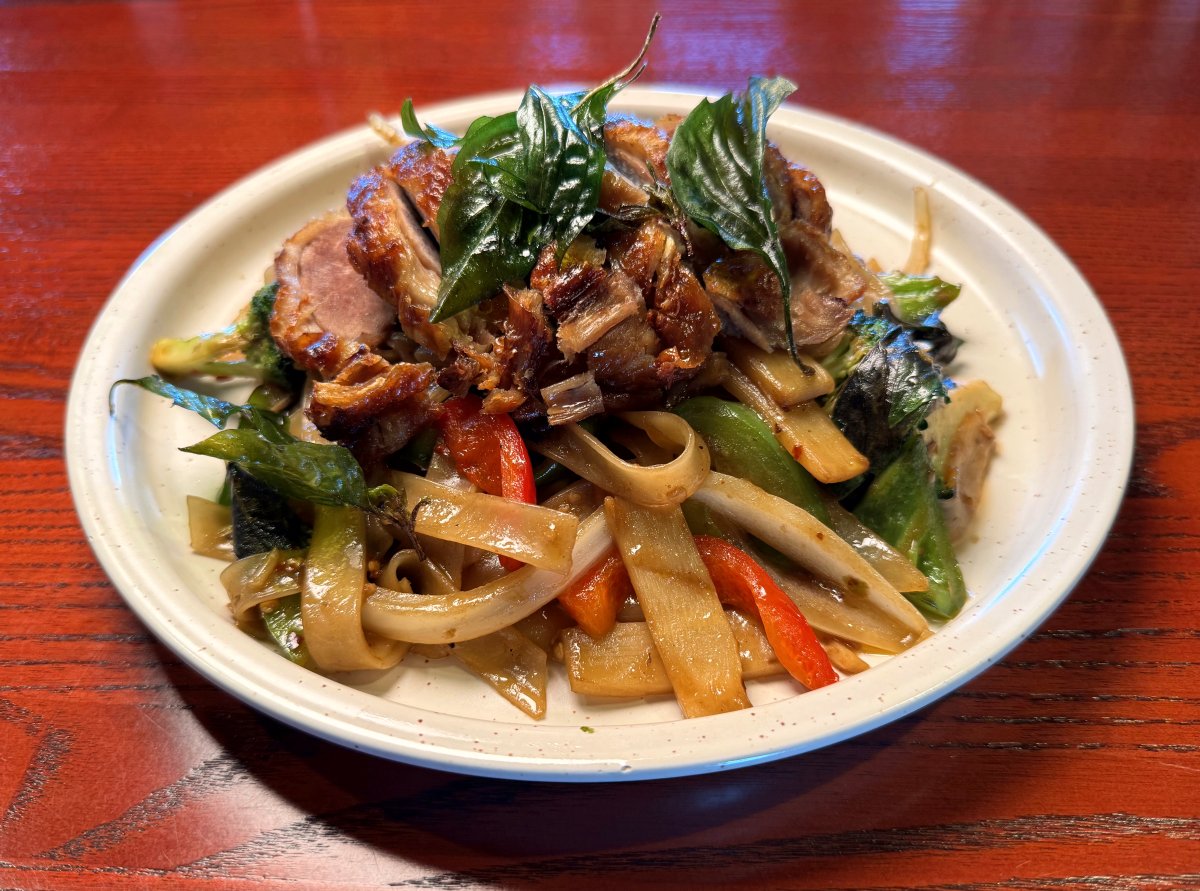
Thai Drunken Noodles have a reputation for being bold, fast, and slightly chaotic in the best way. That can make them feel intimidating if you have never cooked a stir-fry before. The good news is that this dish is far more forgiving than it looks. Once you understand the few things that matter most, namely heat, timing, and noodle texture, you can make a plate of Drunken Noodles that tastes vivid and deeply satisfying without needing restaurant equipment or years of practice.
I have cooked versions of this dish in https://martinlnoq381.clearminster.com/posts/beef-drunken-noodles-for-a-bold-and-savory-dinner tiny apartment kitchens, on weak electric stoves, and once on a single burner hot plate during a renovation. The result changes a little depending on your setup, but the heart of the dish stays the same. You want wide rice noodles that stay chewy rather than mushy, a sauce that leans savory with a touch of sweetness, plenty of garlic and chile, and the fresh, unmistakable lift of Thai basil. When those pieces come together, the dish tastes much bigger than the effort it takes.
If you are making Drunken Noodles for the first time, the smartest approach is not to chase perfection. Aim for balance. Get the noodles tender without overcooking them. Build a sauce that tastes lively rather than flat. Keep the pan hot enough to sear ingredients quickly. That alone will put you well ahead of most first attempts.
What Drunken Noodles actually are
Despite the name, traditional Thai Drunken Noodles, often known as pad kee mao, do not usually contain alcohol. The name is widely explained in a few ways. Some say the dish is spicy enough to pair well with drinking. Others say it is exactly the sort of food someone would cook late at night after a few drinks because it is quick, punchy, and satisfying. Either version makes sense once you taste it.
What sets Drunken Noodles apart from other noodle dishes is the combination of broad rice noodles, high heat, aromatic garlic and chile, dark soy or sweet soy for color and depth, and fresh basil stirred in right at the end. It is not a delicate dish. It should taste assertive. The sauce clings to the noodles instead of pooling at the bottom of the plate, and the vegetables should stay bright and slightly crisp.
Many restaurant versions in the United States add broccoli, bell peppers, onions, carrots, baby corn, or even mushrooms. None of that is wrong. In fact, for home cooks, flexibility is part of the appeal. If you understand the structure, you can adapt the details to your kitchen and still make something that tastes true to the spirit of the dish.
The first decision that matters, your noodles
If you can find fresh wide rice noodles, buy them. They are the easiest route to a good result because they only need to be loosened and warmed through. They also have that springy, slippery texture that makes Drunken Noodles feel right. Fresh noodles often come folded or compressed in a package. Before they hit the pan, separate them gently with your fingers. If they feel stiff, a few seconds in the microwave or a very brief dip in warm water helps loosen them.
Dried wide rice noodles are absolutely workable, and many home cooks rely on them. The trick is to soak or boil them just until pliable, not fully soft. They should still have resistance in the center because they will continue cooking in the pan. Most disappointing noodle dishes come from noodles that are fully cooked before stir-frying. They break, clump, and absorb too much sauce.
If you are choosing between noodle widths, go wider. Thin rice sticks can still taste good, but they pull the dish toward a different style. Drunken Noodles are meant to have chew and heft. Wide noodles catch sauce differently and create that satisfying, almost ragged tangle you expect from the dish.
One small but useful habit is to prep the noodles first, then leave them alone. Once softened, toss them lightly with a bit of oil if they seem sticky. That simple step can save you from the panicked moment when everything is ready but the noodles have fused into one stubborn brick on the cutting board.
The sauce should taste strong on its own
First-time cooks often underseason stir-fry sauces because tasting a spoonful before cooking can feel intense. For Drunken Noodles, that intensity is exactly the point. Once the sauce hits hot noodles and vegetables, it spreads out. If it tastes merely pleasant in the bowl, it can turn bland in the pan.
A reliable home version usually includes oyster sauce, soy sauce, dark soy sauce for color, and a small amount of sugar. Fish sauce is common too, and it adds a savory depth that is difficult to replace completely. The exact ratio depends on the brands you use because saltiness varies. Start with moderation, taste, and adjust. A useful benchmark is that the sauce should taste salty, slightly sweet, and rounded with a savory edge. It should not taste sharply salty or syrupy.
Dark soy sauce deserves special mention because people sometimes mistake it for regular soy sauce and pour too much. It is thicker, darker, and often less salty, used more for color and body than for straightforward seasoning. A teaspoon or two can transform the look of the dish from pale to richly burnished.
If you do not keep a full pantry of Asian sauces, you can still make a good version. Oyster sauce plus regular soy sauce and a pinch of sugar gets you surprisingly far. Fish sauce adds complexity, but if you leave it out, compensate with a touch more soy and a little care in tasting. The result will be somewhat different, though still enjoyable.
Basil is not optional in spirit
If there is one ingredient that gives Drunken Noodles their unmistakable finish, it is basil. Thai basil is ideal because it has a lightly spicy, almost anise-like aroma that stands up to the sauce and heat. Italian basil can work in a pinch, but the flavor is softer and sweeter. You can still make a delicious plate with it, but the dish will taste more rounded and less sharp.
The key is to add the basil at the very end, when the pan is off or nearly off the heat. You want it to wilt and release its fragrance, not stew into dark green threads. A generous handful is not excessive here. In fact, modest amounts tend to disappear. When people say their homemade Drunken Noodles tasted fine but somehow lacked that restaurant quality, the missing note is often basil, or not enough of it.
The same principle applies to fresh chile if you enjoy heat. Stir-fried chile and garlic create the base, but a little extra fresh heat at the end can brighten the whole plate. That said, it is much easier to add fire than to take it away. If you are cooking for yourself and are new to Thai food, start mild. A dish can be deeply flavorful without turning into a test of endurance.
Why first-time stir-fries go wrong
The main challenge with Drunken Noodles is not the ingredient list. It is speed. Stir-frying happens fast, and beginners often start chopping while the pan heats, or mix the sauce after the garlic is already sizzling. That is how things burn, seize, or overcook.
A proper setup matters more than fancy technique. Before the burner goes on, have the sauce mixed, the noodles loosened, the vegetables cut, the protein cooked or portioned, and the basil washed and ready. This is the kind of dish where thirty extra seconds spent searching for a bottle cap can mean bitter garlic and broken noodles.
Heat is the other issue. Many home recipes tell you to crank the burner to the highest setting and go for a smoky restaurant char. That advice ignores the reality of home kitchens. A heavy pan on very high heat can work beautifully, but it can also burn the aromatics before the noodles ever make contact. Medium-high heat is often the wiser starting point. Once you see how your stove behaves, you can push higher next time.
Crowding the pan is a quieter problem but just as common. If you dump in too many vegetables and noodles at once, the ingredients steam instead of fry. The pan temperature drops, moisture collects, and the sauce turns slick and watery. If your skillet is not large, cook in batches or reduce the quantity slightly. A smaller amount cooked properly tastes better than an oversized batch that turns gummy.
A beginner-friendly way to build the dish
You can make excellent Drunken Noodles with chicken, shrimp, tofu, or no added protein at all. For a first attempt, I often suggest thinly sliced chicken thigh or firm tofu. Chicken thigh stays juicy, and tofu, if patted dry and seared first, holds up nicely in the pan. Shrimp cook so quickly that beginners sometimes overshoot the timing and end up with rubbery results.
Vegetables should support the noodles, not bury them. Onion and bell pepper are easy, accessible, and reliable. Chinese broccoli is classic if you can find it. Regular broccoli works, though it needs a little more attention because the stems are denser. Snap peas, carrots sliced thin, and mushrooms can all fit. The only real caution is to avoid loading the pan with too many water-heavy vegetables at once.
The texture you want is a mix of soft, chewy, crisp, and fragrant. A plate where every component has the same softness tends to taste flat no matter how seasoned it is. That contrast is what makes the dish feel alive.
The five-step cooking method that works
-
Heat a large skillet or wok until it is hot, then add oil and cook your protein first if it is raw. Remove it when it is almost done. If you are using tofu, sear it until lightly browned before taking it out.
-
Add a little more oil if needed, then stir-fry garlic and chile for just a few seconds until aromatic. Add onions and firmer vegetables next, cooking them until they start to soften but still keep their shape.
-
Return the protein to the pan, add the noodles, and pour the sauce around the edges rather than directly in one spot. Use tongs or two spatulas to lift and turn the noodles gently so they absorb the sauce without tearing too much.
-
Add quick-cooking vegetables if you are using them, then continue tossing over medium-high heat until the noodles are glossy and lightly browned in places. If the pan looks dry before the noodles are ready, add a small splash of water, not more sauce.
-
Turn off the heat, fold in a generous handful of Thai basil, and taste immediately. Adjust with a little fish sauce, soy sauce, or sugar if needed, then serve at once.
That method is simple, but the details inside it matter. Pouring the sauce around the pan edge helps it hit heat before coating the noodles, which deepens the flavor. Adding a splash of water instead of extra sauce keeps the seasoning balanced. Turning off the heat before the basil goes in protects its aroma.
How to know when the noodles are right
This is the part people worry about most, and with good reason. Rice noodles have a narrow window between too firm and too soft. The best cue is not the clock but the feel. Properly cooked Drunken Noodles should bend easily, pull apart with a bit of chew, and look glossy rather than chalky or swollen.
If the noodles seem stiff and separate from the sauce, they need a little more time and perhaps a spoonful or two of water. If they turn pasty and break when tossed, they were overcooked earlier in the process and will not fully recover. You can still salvage the dish by reducing stirring and serving immediately, but next time stop the initial soaking or boiling sooner.
Fresh noodles sometimes clump because they are packed tightly. Do not attack them with force in the pan. Steam and gentle turning will loosen them. A common mistake is to keep stirring aggressively, which tears the noodles into short pieces and creates a mushier texture.
What restaurant versions do that home cooks can borrow
Restaurant burners produce dramatic heat, but that is not the only reason restaurant Drunken Noodles taste distinct. Cooks also tend to season with confidence and move quickly. They are not timid with basil, they do not overcrowd the wok, and they allow ingredients to make real contact with hot metal.
You can mimic some of that at home by cooking a slightly smaller portion than you think you need, using the widest pan you have, and resisting the urge to fuss constantly. Let the noodles sit for a few seconds between turns so they can pick up a little color. Not every strand needs browning, but a few caramelized edges bring depth.
Another useful trick is to keep the sauce amount modest. First-time cooks often imagine stir-fried noodles should be saucy, but Drunken Noodles are better when the sauce coats rather than floods. Excess liquid softens the noodles and mutes the aromatics.
Troubleshooting common problems
-
If the dish tastes flat, it usually needs either more fish sauce or soy for salt, a little sugar for balance, or more basil for lift. Add in tiny increments and taste after each change.
-
If the noodles are sticking in a solid mass, they were either not loosened enough before cooking or the pan is too crowded. Lower the quantity next time and separate the noodles more thoroughly at the start.
-
If the garlic turned bitter, the pan was too hot or the aromatics cooked too long before the other ingredients went in. Start the next batch at slightly lower heat and keep everything ready beside the stove.
-
If the vegetables released too much water, your pan was crowded or the vegetables were wet. Dry them well after washing and cook firmer vegetables first.
-
If the whole dish tastes too salty, add more noodles or vegetables if you have them, or toss in a splash of water and a handful of basil to soften the edges. Acid is not traditional here, but a tiny squeeze of lime can sometimes brighten an overly heavy pan.
These are normal adjustments, not failures. Stir-fry rewards repetition. The second time you make it, your hands will move faster. By the third, the sequence starts to feel natural.
Sensible substitutions for real kitchens
Not everyone has access to Thai basil, fresh rice noodles, or Chinese broccoli on a random weeknight. Good home cooking depends on knowing which substitutions are acceptable and which ones change the dish too much.
Fresh wide rice noodles can be replaced with dried wide rice noodles with good results if you manage the texture carefully. Chicken thigh can become chicken breast, though you may want to slice it thinner and avoid overcooking. Firm tofu works best over soft or silken tofu because it can take searing and tossing. Regular basil can stand in for Thai basil, particularly if it is fresh and fragrant, though the final flavor will be gentler.
For vegetables, onion and bell pepper are among the easiest and most reliable. Broccolini is often a better stand-in for Chinese broccoli than standard broccoli because it cooks quickly and has a more tender stem. Mushrooms add savoriness, but they also release moisture, so use them sparingly in a beginner batch.
Where I would be less flexible is the sauce base. If you skip both oyster sauce and fish sauce, you need another source of savory depth or the dish will lean one-dimensional. Vegetarian mushroom oyster sauce is a very useful pantry option for that reason.
Serving it while it still feels alive
Drunken Noodles are at their best right out of the pan. They do not need much beside them, perhaps a cold drink and maybe a simple cucumber salad if you want something cooling on the table. Once the noodles sit too long, they continue to absorb sauce and lose some of their spring.
Leftovers are still worth eating, but they change. The basil softens further, the noodles firm up in the refrigerator, and reheating can be tricky. A hot skillet with a spoonful of water works better than a microwave if you want to restore some tenderness. Even then, think of leftovers as a different version of the dish rather than a perfect repeat of the first plate.
That immediate, just-cooked quality is part of the charm. The aroma of basil rises first, then garlic, then the dark, savory sweetness of the sauce. It is the sort of meal that rewards you for standing at the stove for ten focused minutes.
Why this dish is a good first stir-fry
There are more technical stir-fries out there, but Drunken Noodles teach the right lessons early. You learn mise en place without calling it that. You learn that heat matters, but control matters more. You see how a small amount of sauce can flavor a whole pan, and how herbs added at the end can change everything.
For first-time cooks, that is valuable. It is a dish that improves quickly with practice, and even the imperfect versions are usually very edible. A batch with slightly soft noodles can still taste terrific if the sauce is balanced. A mild batch can still shine if the basil is fresh. The margins are not as narrow as they seem when you read a recipe for the first time.
Make it once with the ingredients you can find. Take note of what you would change. Maybe you want more chile next time, or less sweetness, or a few more charred edges. That kind of tweaking is exactly how a dependable home recipe is built. After a few rounds, your Drunken Noodles stop feeling like a restaurant copy and start becoming your own dish, which is usually when home cooking gets truly enjoyable.
Nakhon Luang Thai Kitchen
Address: 805 Village Center Dr, Colorado Springs, CO 80919
Phone number: +17195315175
FAQ About Drunken Noodles
What makes it drunken noodles?
Drunken noodles, or Pad Kee Mao, get their name from the Thai word khi mao (meaning "drunkard"). They contain no alcohol. The name comes from the idea that the dish is a popular late-night meal to cure a hangover or a great food to eat with a cold beer.
What is the difference between pad see ew and drunken noodles?
While both Pad See Ew and Drunken Noodles use the same wide rice noodles, Pad See Ew is a mild, sweet-savory dish made with dark soy sauce and Chinese broccoli, whereas Drunken Noodles (Pad Kee Mao) are fiery, garlicky, and herbaceous with fresh chilies and Thai basil.
What are traditional drunken noodles?
Traditional drunken noodles, known as Pad Kee Mao in Thai, are a fiery, savory street food stir-fry made with wide flat rice noodles, fresh garlic, lots of hot chilies, meat or tofu, and fragrant holy basil. Despite the name, they contain no alcohol; the dish is traditionally eaten late at night or as a hangover cure because the intense spice helps clear the head.